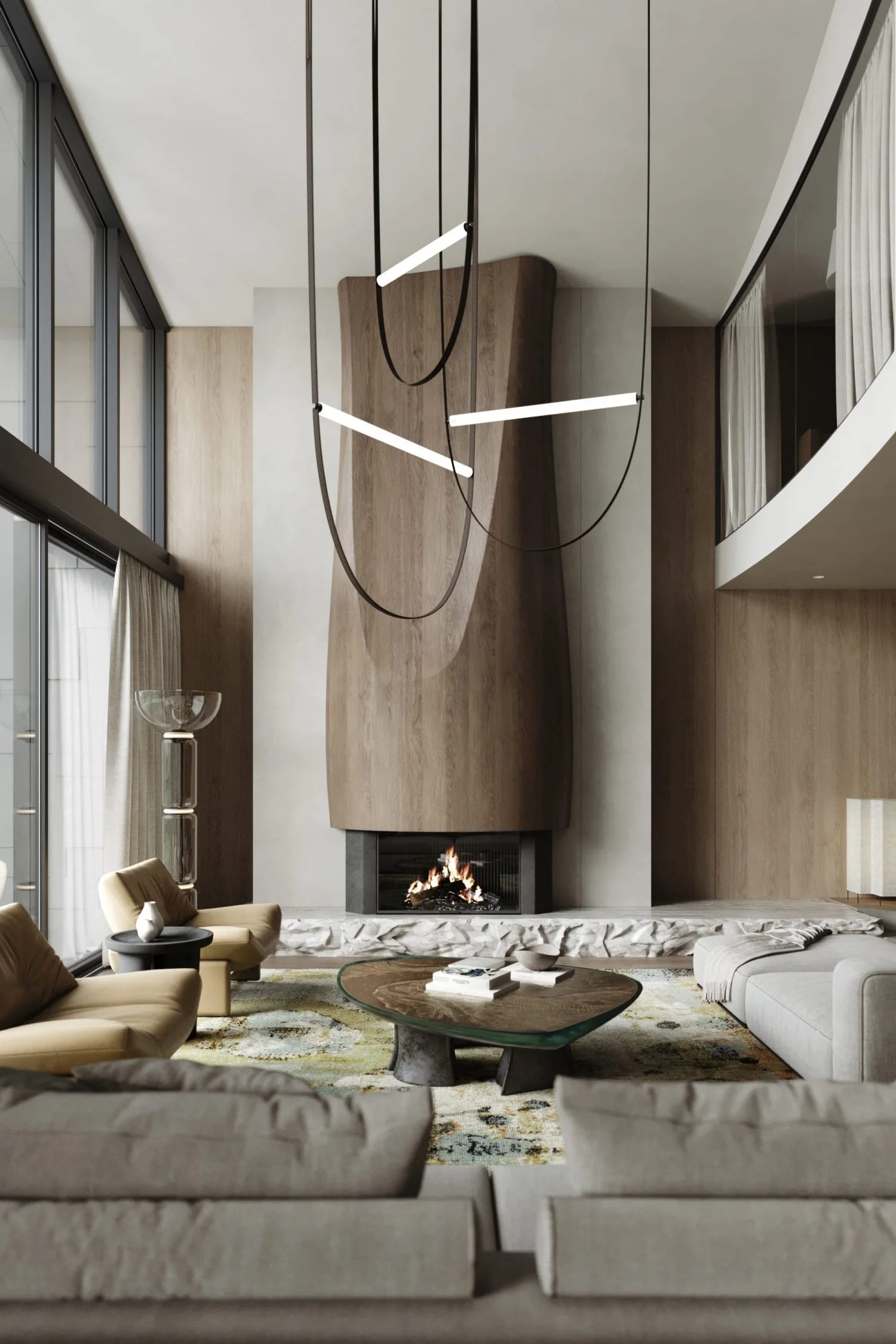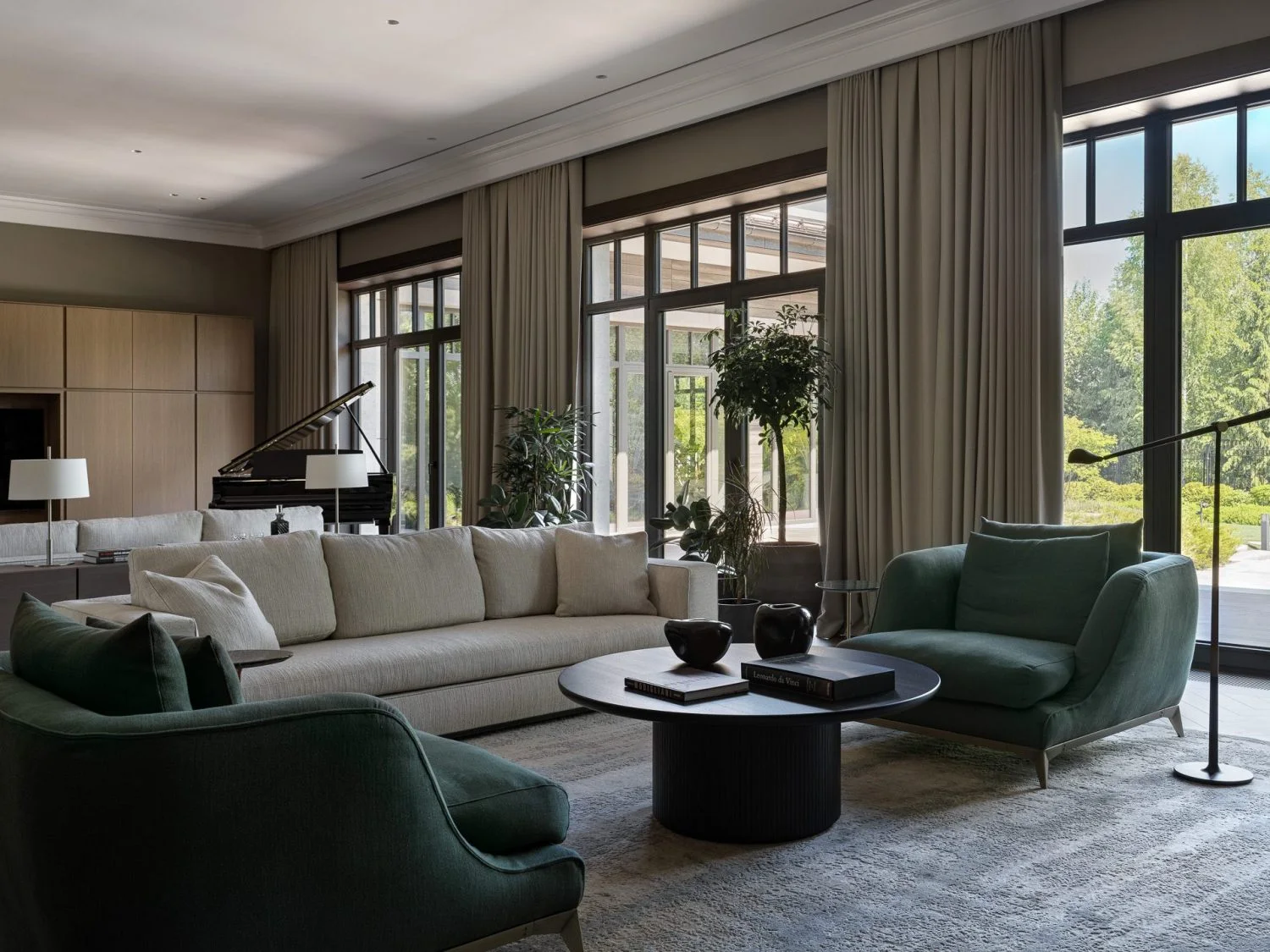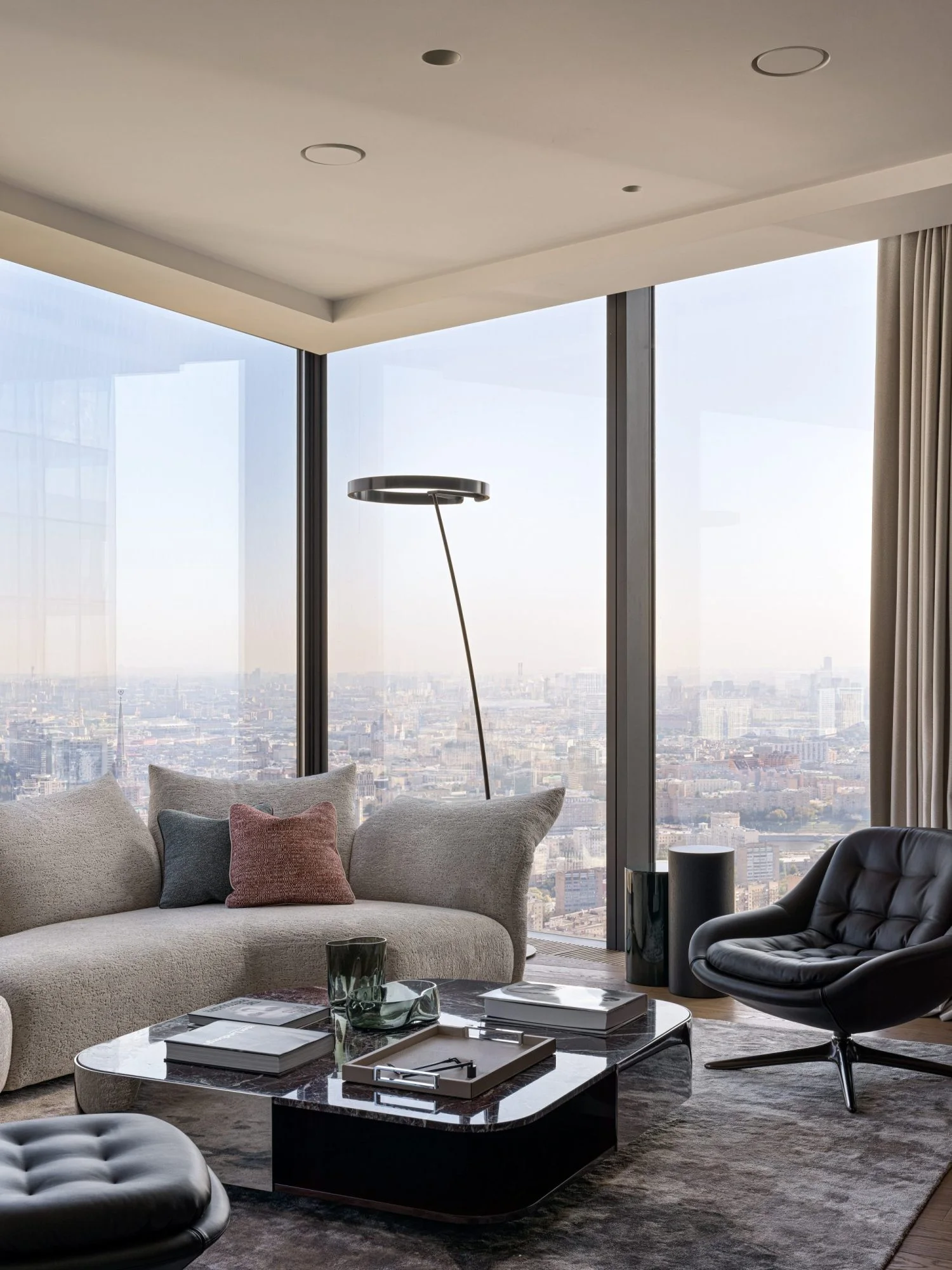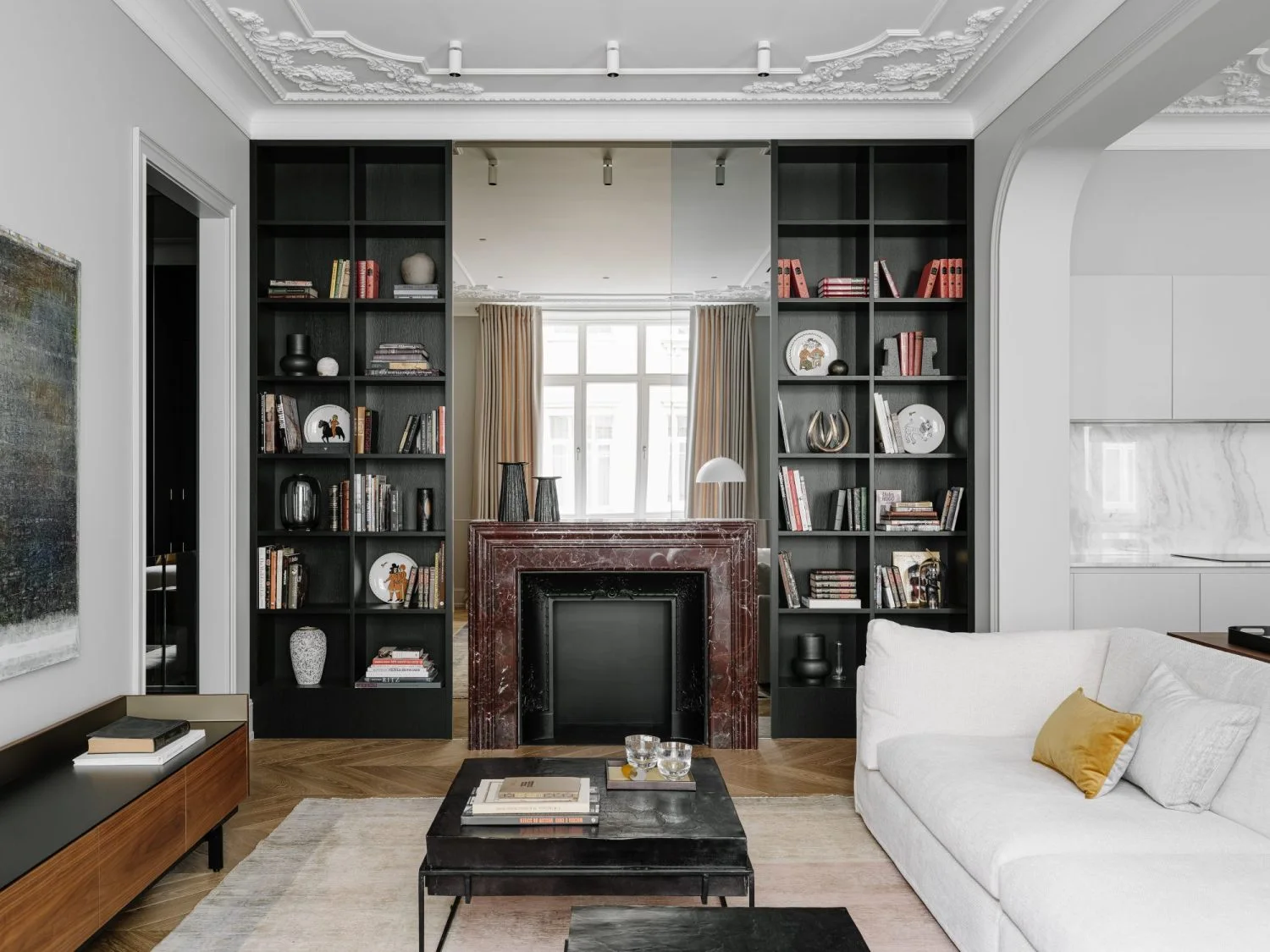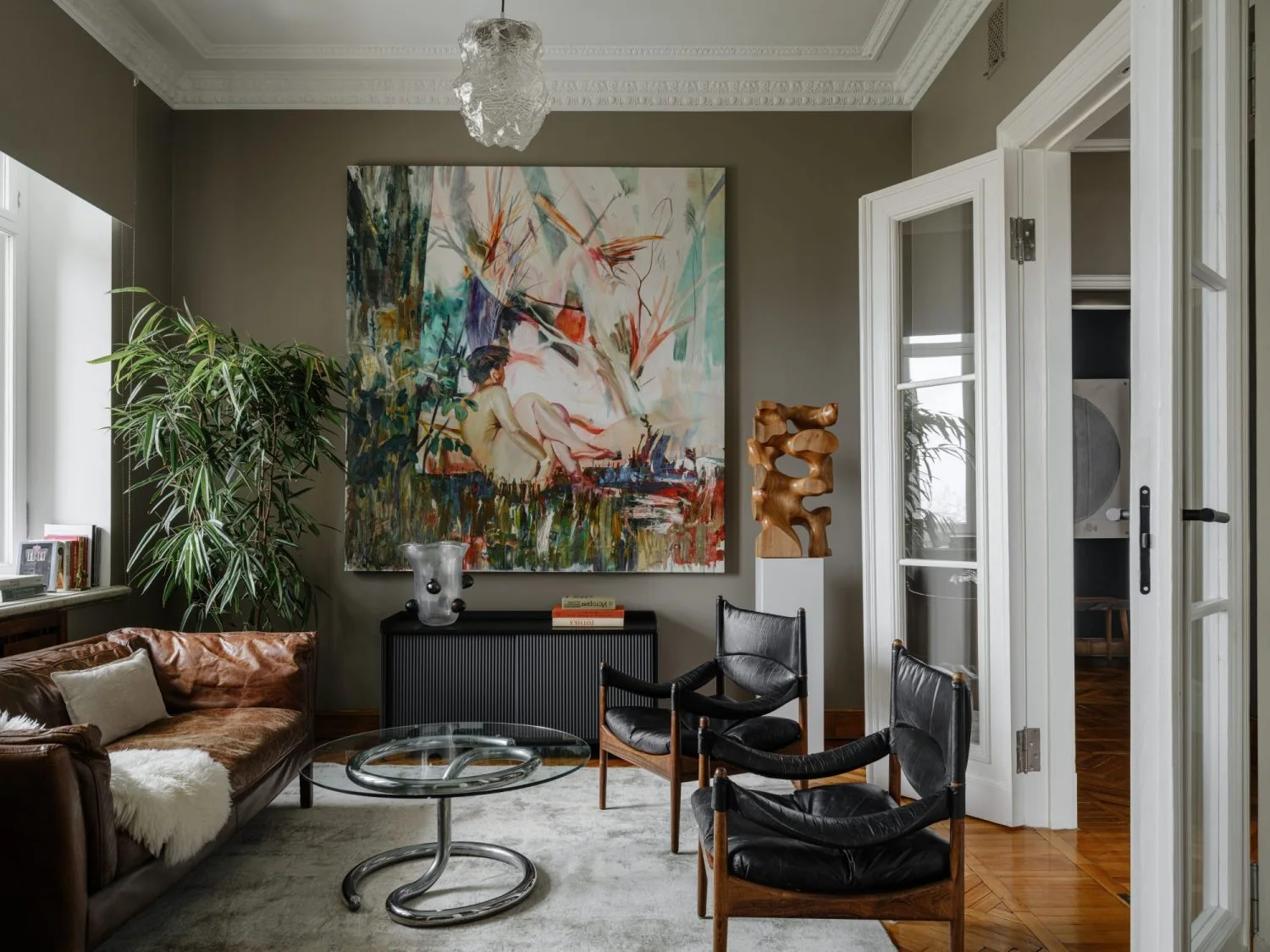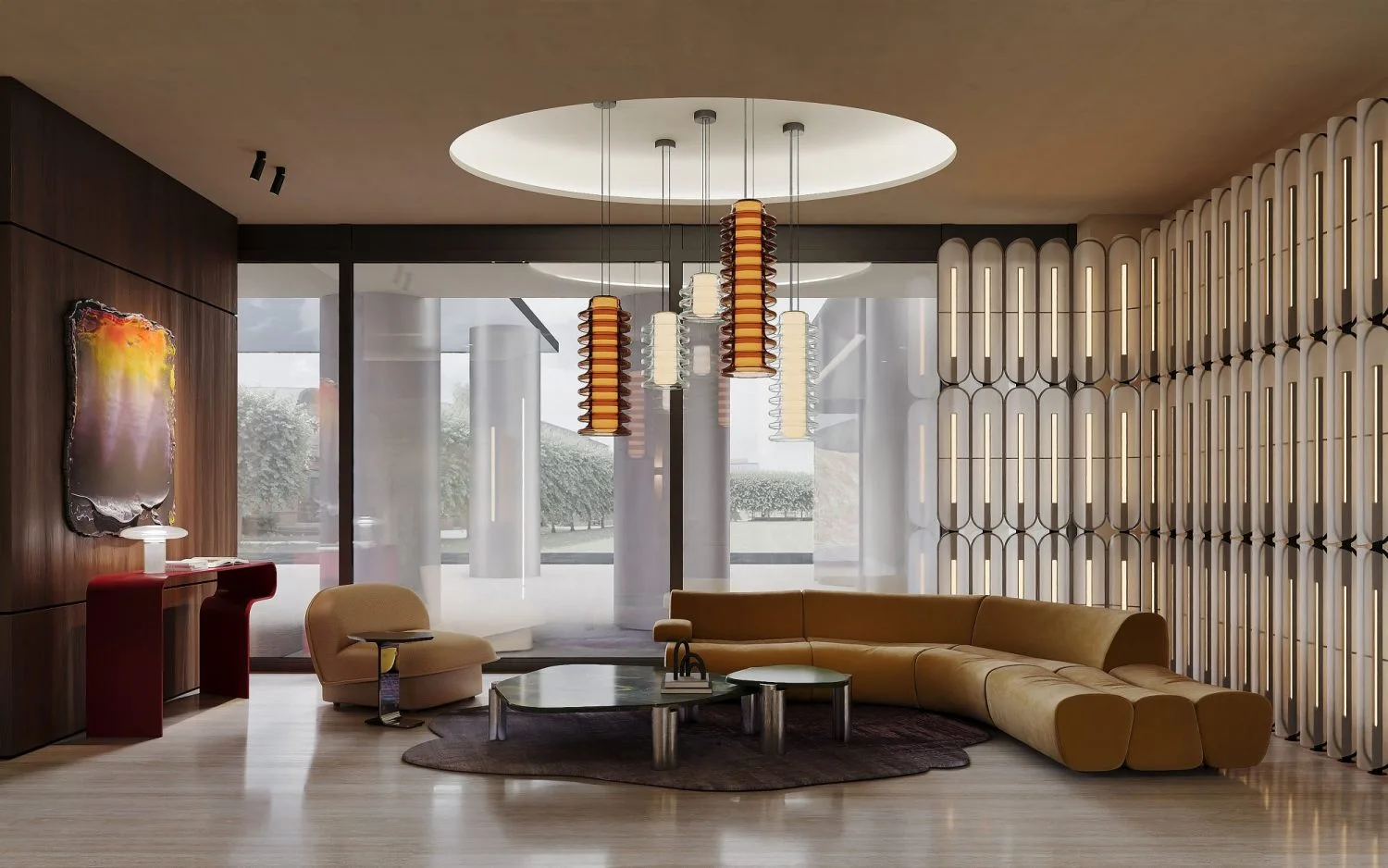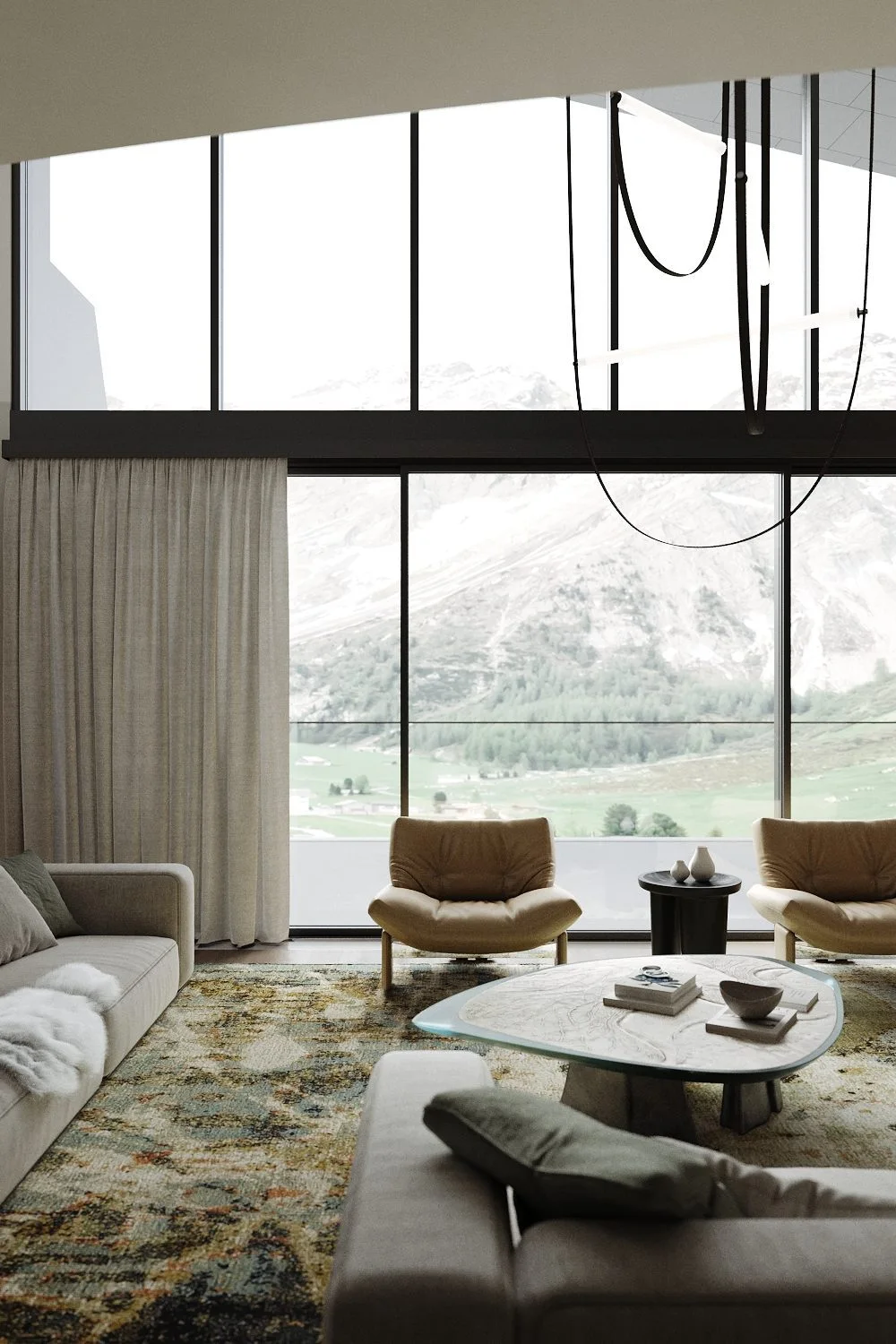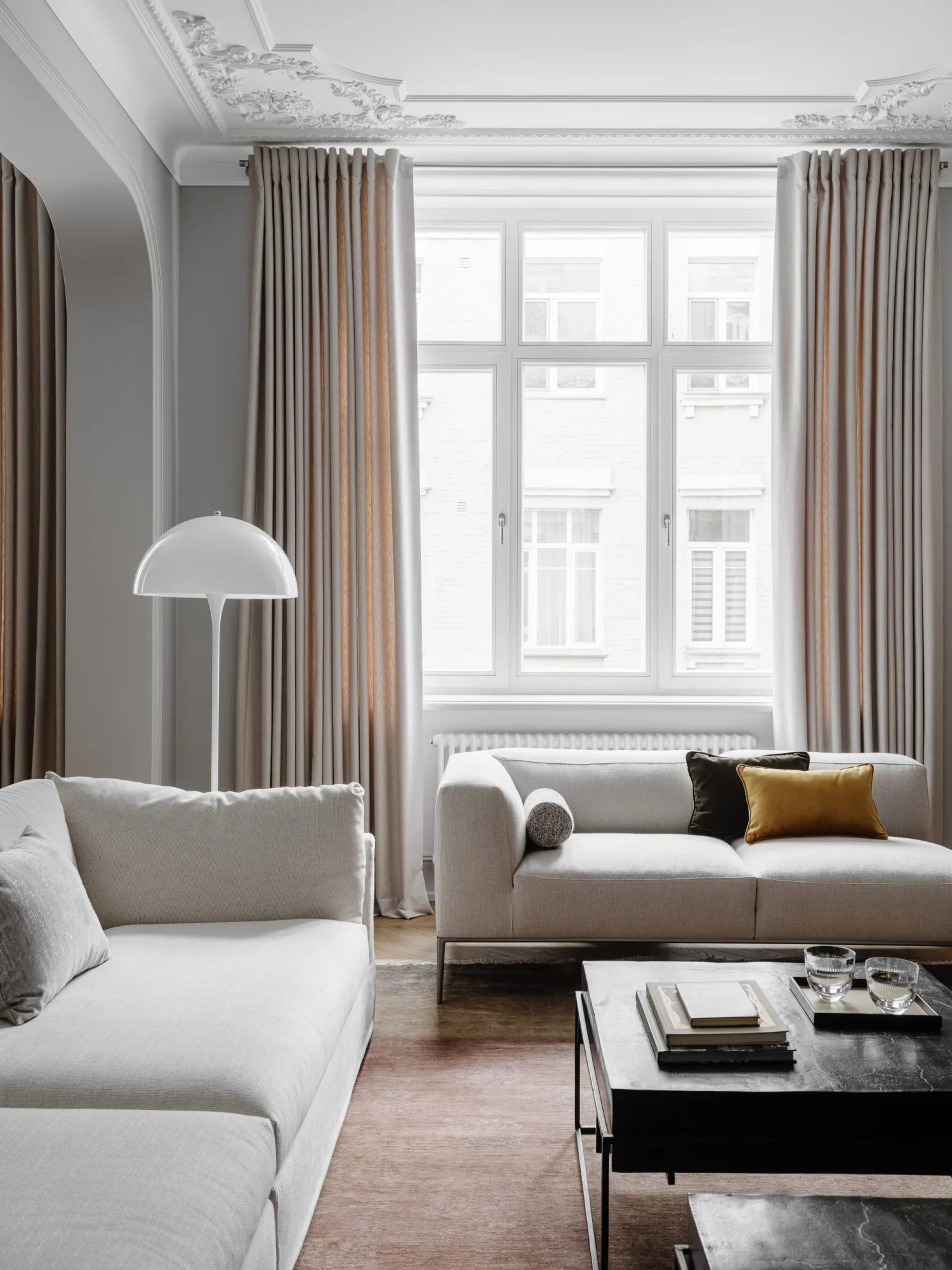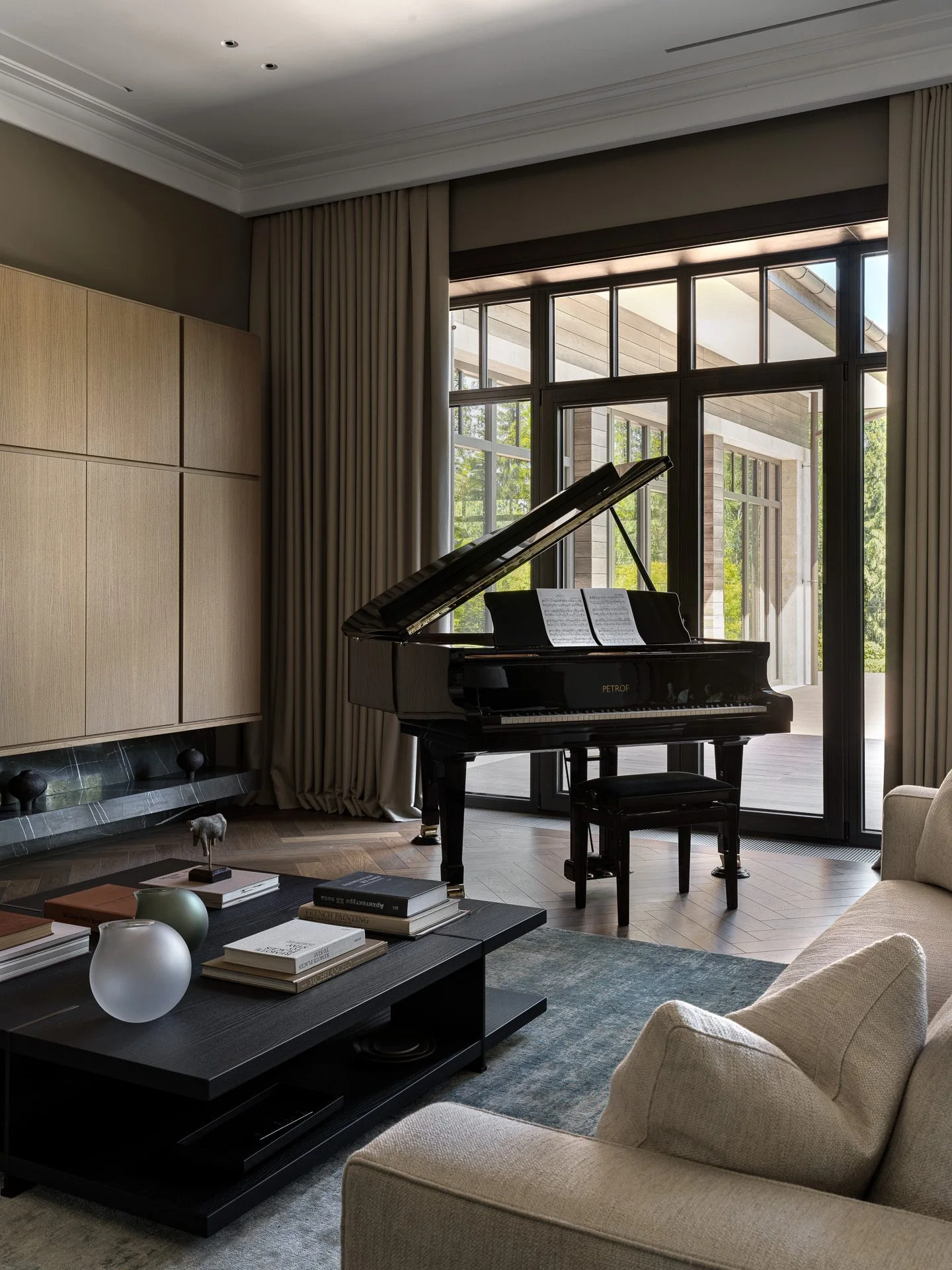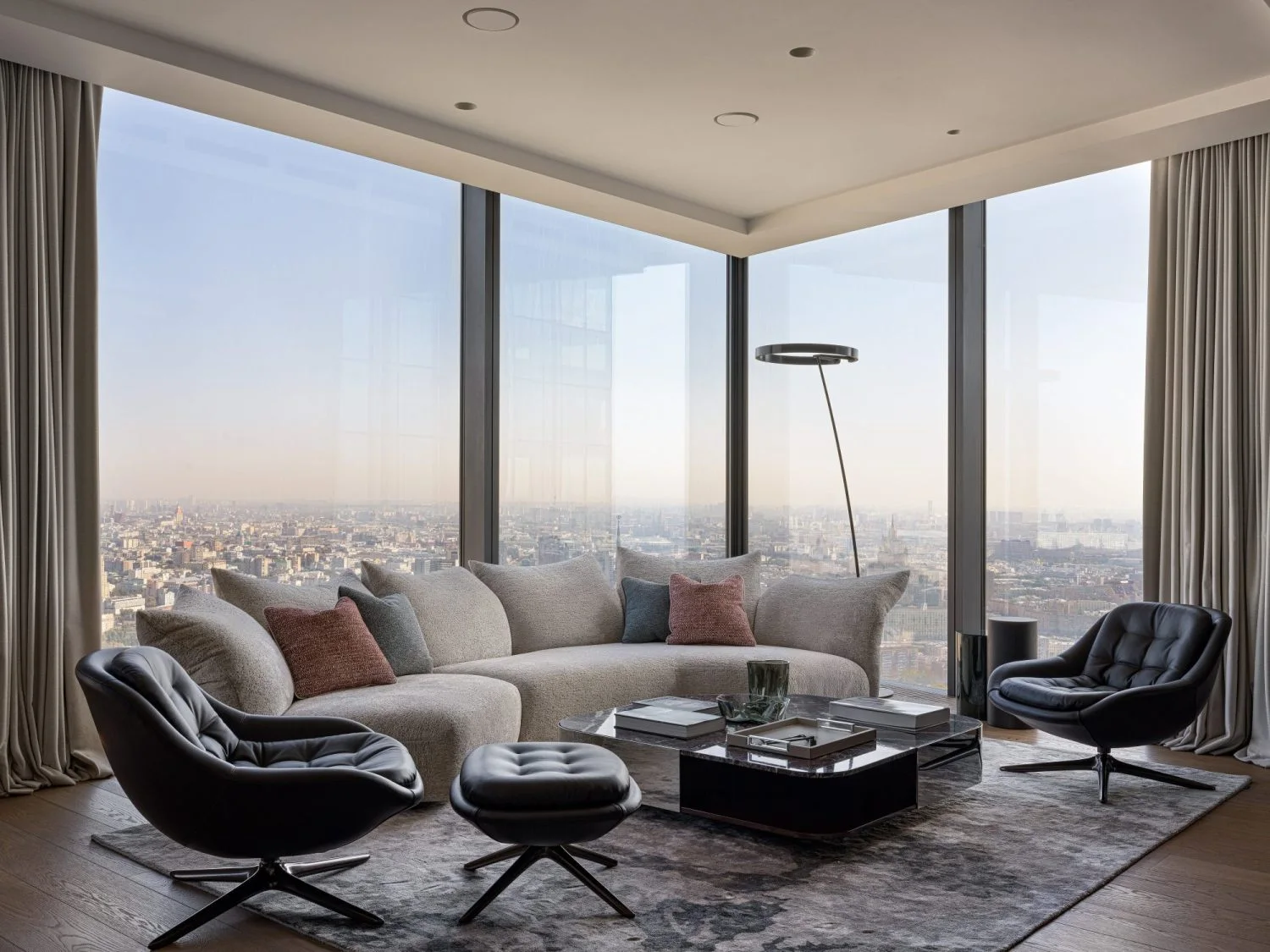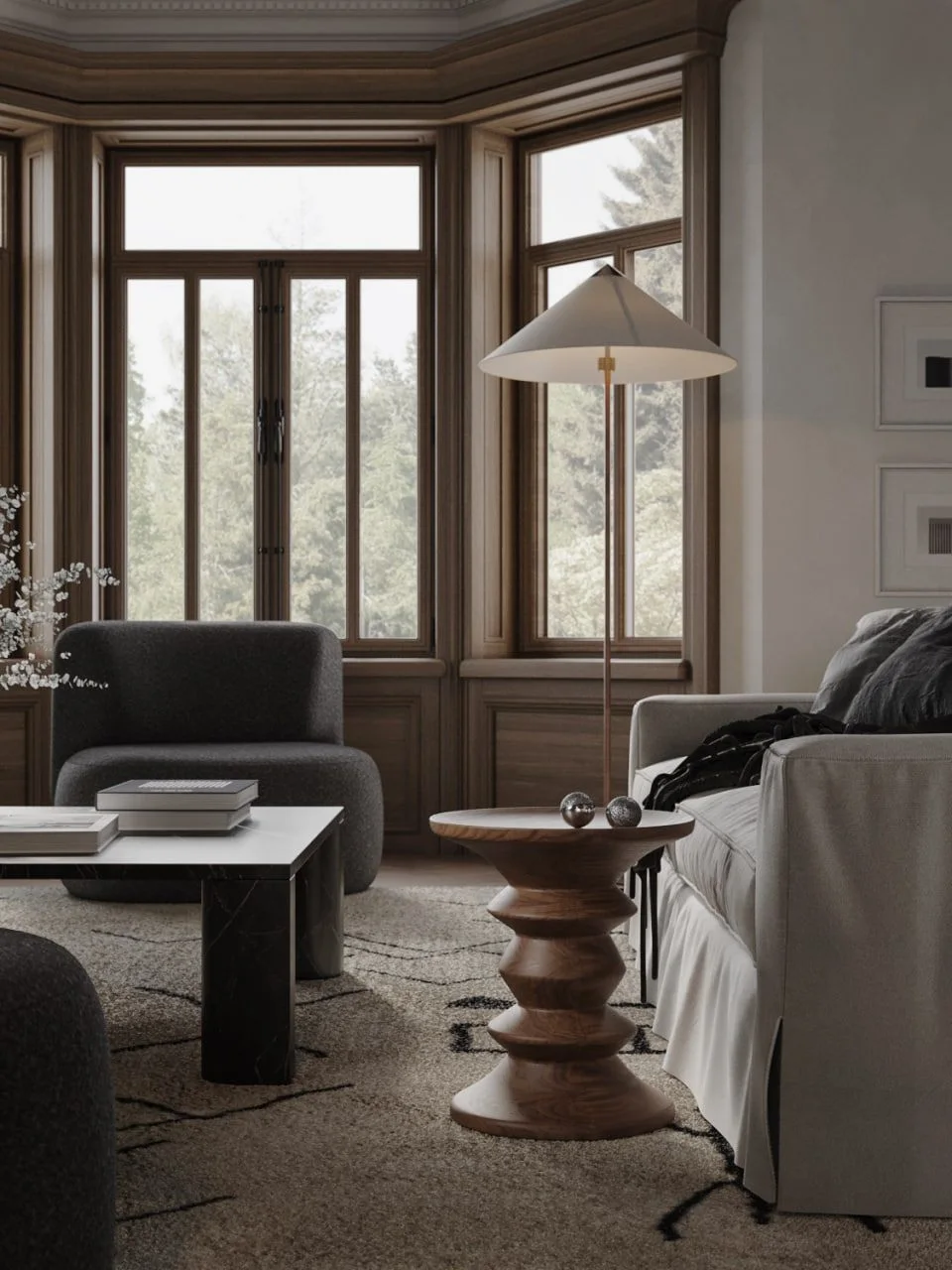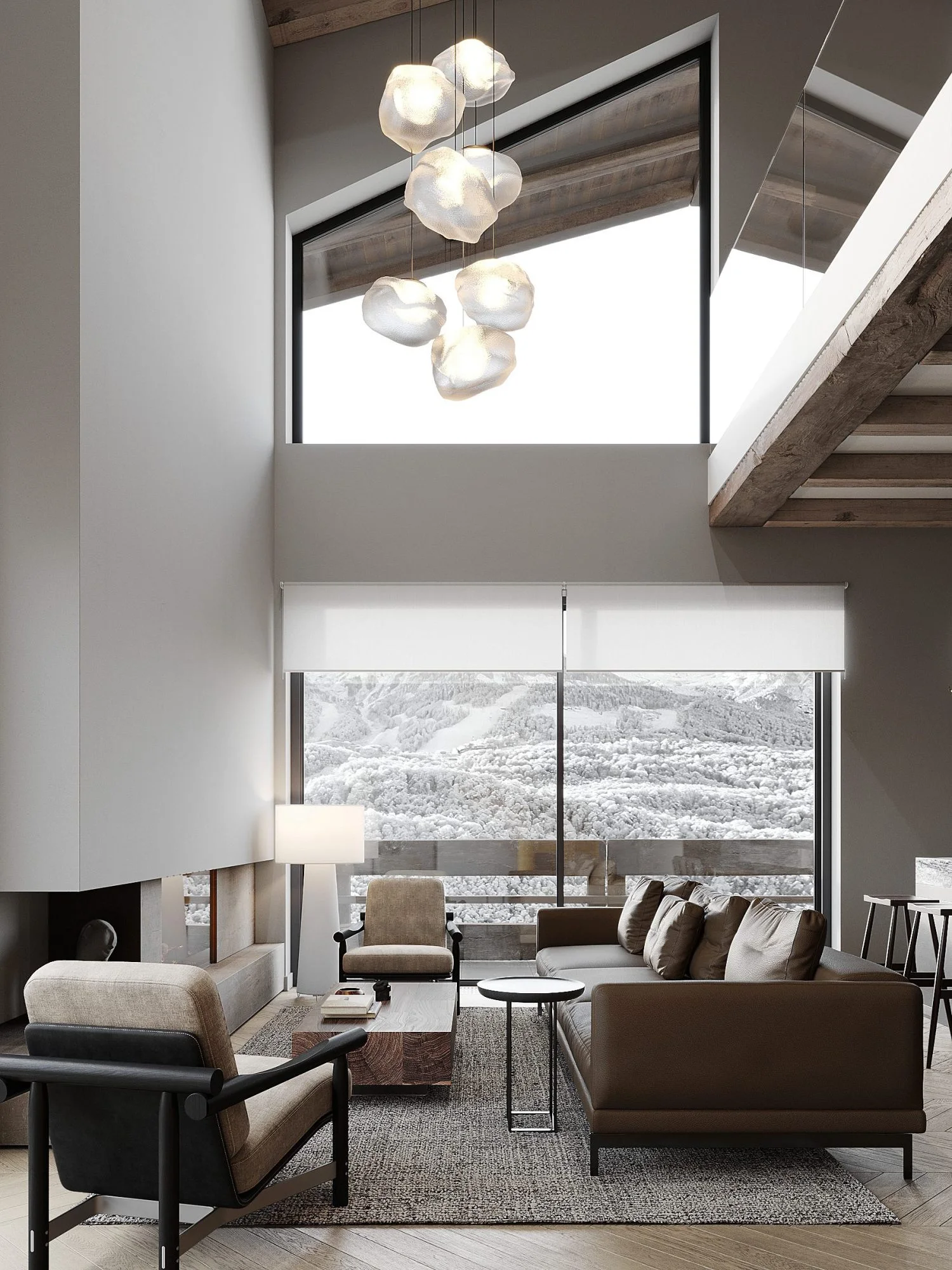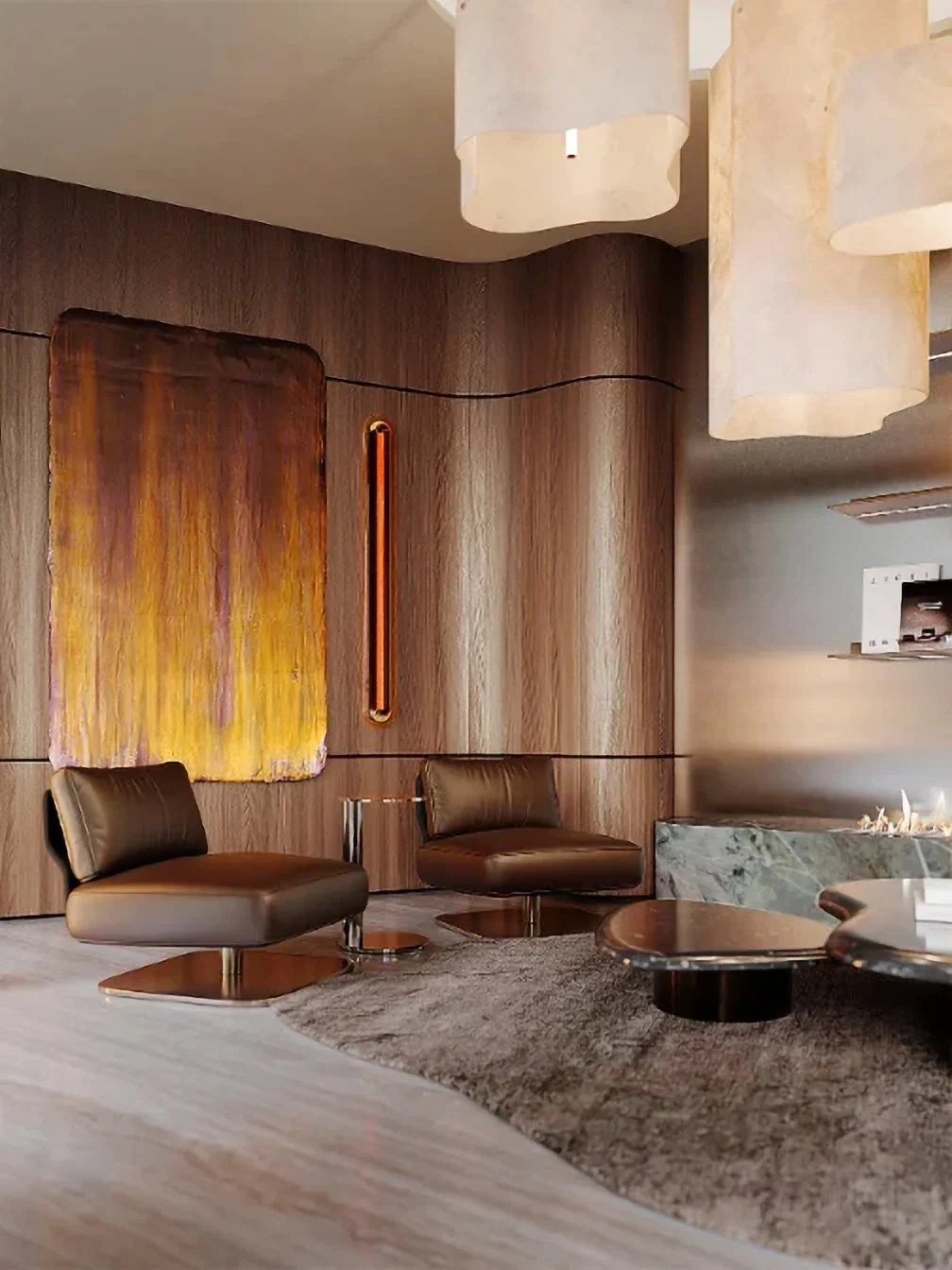
What a package usually contains
- Furniture: sofa, dining table and chairs, bed, bedside tables, storage, desk where the plan allows.
- Lighting: ceiling, floor and table lamps matched to the electrical layout.
- Soft goods: curtains or blinds, rugs, bedding, cushions.
- Decor: art, mirrors, objects and plants.
- Optional: kitchenware, bathroom accessories, smart-home hardware.
What is not in a package is the construction: kitchens, wardrobes and bathrooms built in are normally part of the base build or of a separate fit-out contract.
Packages by tier
The common logic is to define two or three levels of finish and map them to the unit mix:
| Tier | Typical use |
|---|---|
| Essential | Smaller units and rental-led schemes |
| Signature | Main part of the development |
| Collection | Penthouses, villas and show apartments |
The tiers keep the quality predictable and the supply simple. The design effort goes into three or four rooms that repeat, and everything else is coordination.
The show apartment is different
A show apartment is a sales tool and a photography set. It usually carries the best level of the collection, a wider range of decor, and the details that make visitors stay: scent, lighting at the right time of day and accessories. The other units use the packages. We design the show apartment as the reference point so that buyers know what the packages look like in real life.
How a project runs
- Unit mix and brief. Floor plans for each unit type, target buyer or tenant, budget range per tier, opening date.
- Concept and visuals. Mood boards and 3D images for each package, often before the building is finished and sometimes used in marketing. See CGI for property developers.
- Specification and procurement. One FF&E schedule per package, ordered in volume from makers, with lead times matched to the handover calendar. See FF&E procurement.
- Delivery and installation. Deliveries sequenced floor by floor, installed by a trained team, checked against the specification.
- Styling and photography. Final styling of the show apartment and a few reference units, then photography for sales and press.
Durability and replacement
Units that are let, shown many times or used as short-stay apartments wear faster than a private home. Packages for these schemes use performance fabrics, removable covers, hard-wearing finishes on tables and simple repeatable pieces, so a damaged item can be replaced from the same supplier without redesigning the room. A short list of spare items, such as cushion covers, lamps and chairs, is often ordered with the first batch.
Packages in London, Dubai and Marbella
The process is the same in each market, but the supply chain changes. In London, packages often sit in build-to-rent and investor schemes where tenants expect a furnished unit on day one. In Dubai, buyers of new apartments frequently expect a home ready to let, and deliveries are planned around the developer's handover and the local import routes. On the Costa del Sol and in Marbella, packages and home staging serve second-home buyers and holiday rentals, with finishes chosen for sun and sea air. In every case the bureau consolidates orders from European makers and books local installers.
What to agree before starting
- Scope per unit type: what is included and what is the buyer's choice.
- Who owns the stock and who pays for damage during viewings.
- Lead times: the order deadline for each package against the handover date.
- Ownership of the visuals: whether the renders can be used in marketing.
- After-sales: what happens if a buyer wants to add or change pieces.
When packages fit
They work well in new buildings with many repeating units, in schemes aimed at investors or tenants, and in markets where buyers expect a move-in-ready home. They fit less well for one-off villas, where the design should respond to the plot and the client.
We run developer furnishing packages in the UK, the UAE and Spain, and adapt the supply chain to each market. For the service itself, see furnishing packages at AIYA.
Choosing finishes that suit many buyers
A package is bought by people the developer has not met yet, so the palette has to please a wide group without looking anonymous. The safest approach is a calm base with one strong idea per room: a timber that warms the living space, a stone that gives the bathroom weight, a lighting scheme that makes the apartment look good at night as well as in daylight. Colour comes through textiles and art, which a buyer can change later without touching the fit-out.
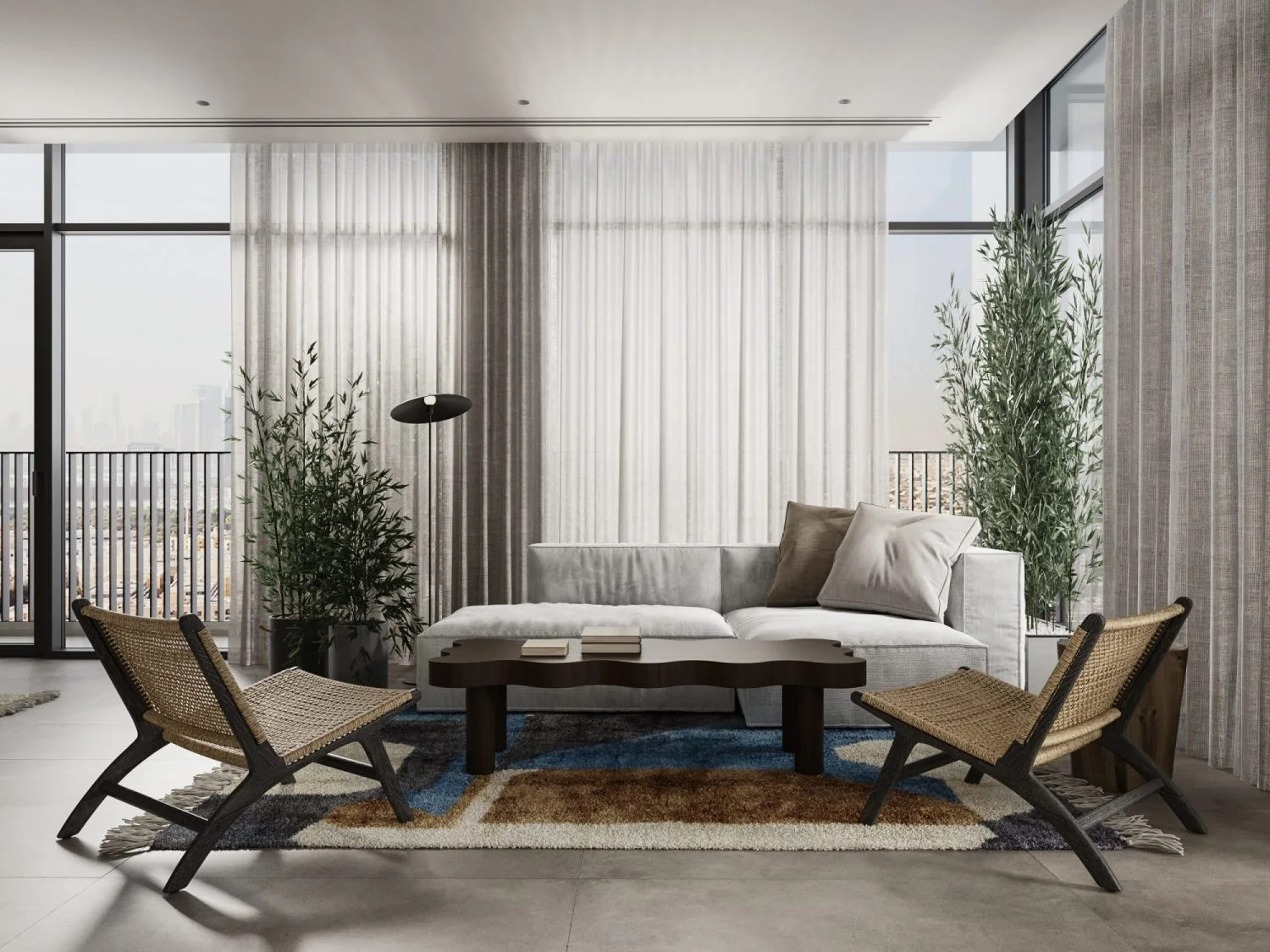
Durability decides more than taste. Fabrics are chosen with rub counts suited to daily family use, and pale upholstery is kept to pieces that can be re-covered. Tables and worktops get finishes that forgive water rings and scratches. For rental units the brief goes further: removable covers, stackable dining chairs, mattresses with protectors and a spare-parts list kept with the building manager.
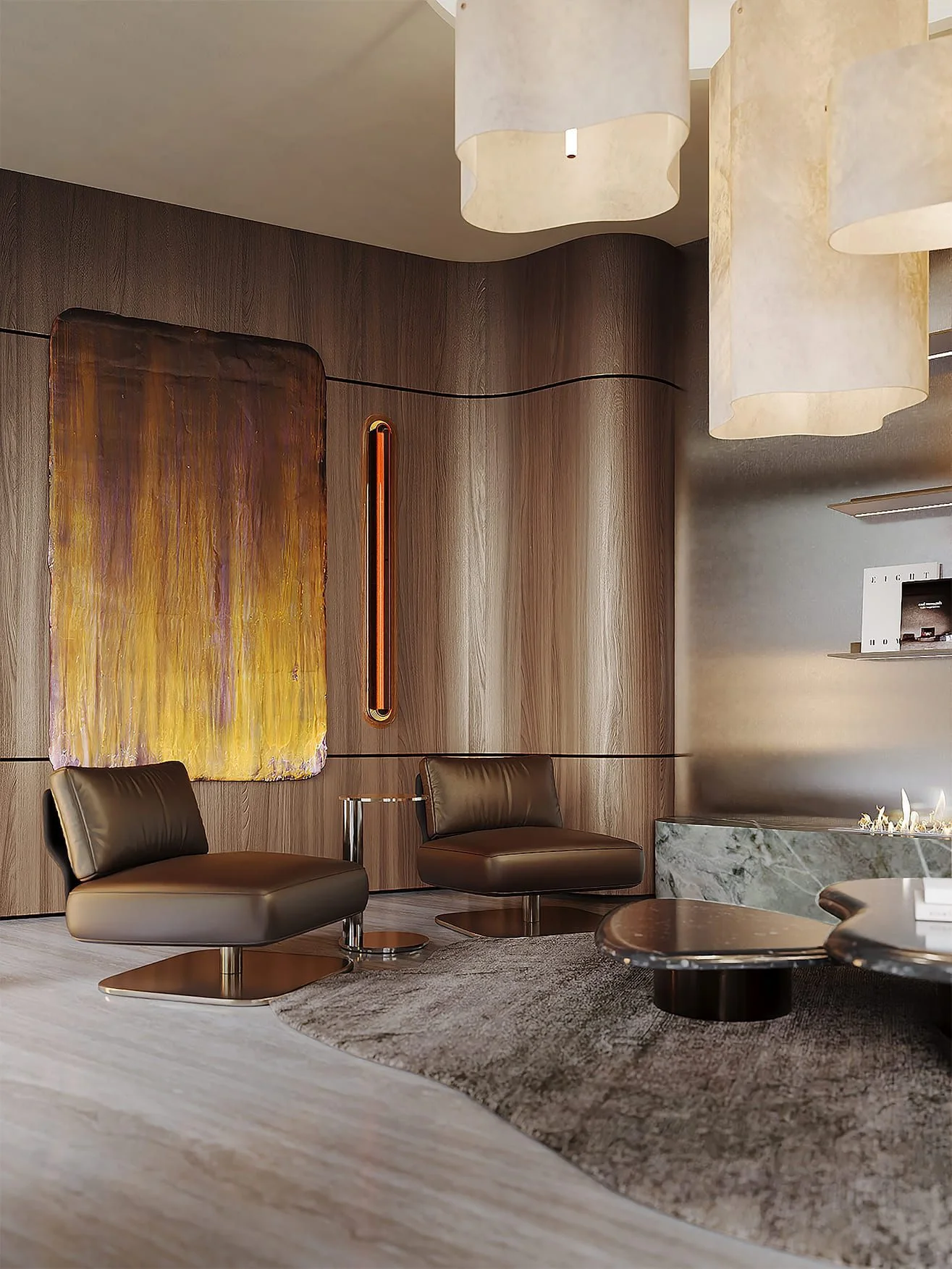
Packages also have to survive logistics. Pieces that fit a standard lift, flat-pack items that assemble without special tools, and rugs sized to the most common room dimensions all shorten installation and reduce damage on site. A good package is designed for the stairwell as much as for the photograph.
Frequently asked questions
What is a furnishing package?
A pre-designed set of furniture, lighting, textiles and decor for one apartment type, supplied, delivered and installed as a repeatable package across a development.
Can buyers choose between packages?
Yes. Developers usually offer two or three tiers, and buyers can choose a tier or add pieces from an agreed list.
Are furniture packages available in Dubai and Marbella?
Yes. The bureau delivers packages in the UK, the UAE and Spain, with orders consolidated from European makers and installation by local teams.
Is the kitchen included?
No. Fitted kitchens, wardrobes and bathrooms belong to the base build or a separate fit-out contract. Packages cover the loose furniture, lighting, textiles and decor.
Read next: Furnishing packages for developers
Can buyers personalise a furnishing package?
Usually within limits. Most developers offer two or three palettes and a short list of upgrades, such as a larger dining table or a home office set, chosen before the order is placed. Free choice for every buyer breaks the economics of the package, so options are fixed in advance and priced into the scheme.
Who installs a furnishing package?
The bureau coordinates delivery and installation with the developer's contractor and building manager: deliveries are booked in slots, furniture is assembled and placed, packaging is removed and each unit is checked against a room-by-room list before it is handed back for viewings or sale.
Planning a home or a development? Tell us about the property and we will reply within one working day.
Enquire